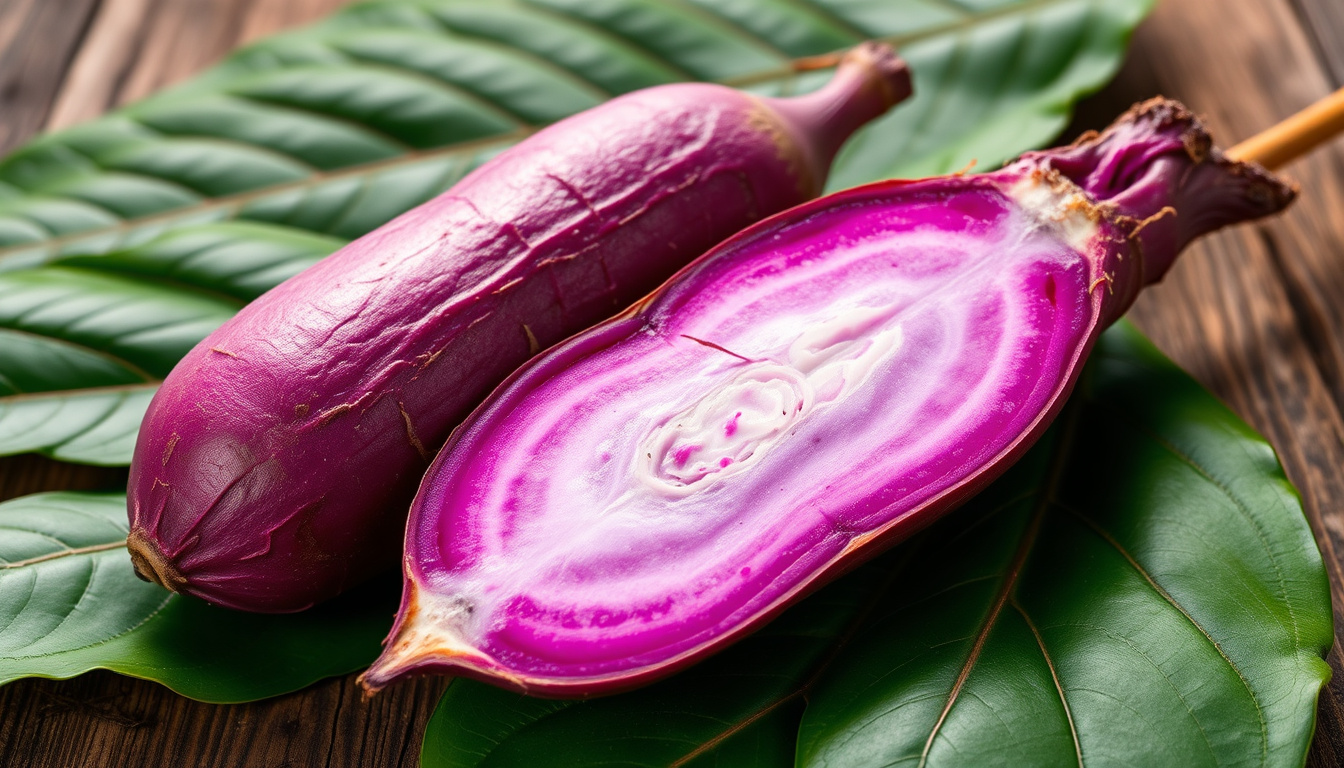

Ube has emerged from its Filipino roots to capture the attention of dessert lovers worldwide. This striking purple yam, known scientifically as Dioscorea alata, brings a unique combination of natural sweetness, vibrant color, and rich cultural heritage to every dish it touches. From traditional Philippine kitchens to modern pastry shops in cities across the globe, ube has established itself as more than just an ingredient—it represents a bridge between generations and continents.
Despite its growing popularity, many people still wonder what exactly ube is and how it differs from similar-looking root vegetables. The journey of understanding this purple tuber reveals a fascinating story of agriculture, culinary tradition, and contemporary innovation. Its distinctive flavor profile—often described as nutty with vanilla undertones—sets it apart from its botanical relatives, while its cultural significance in Filipino cuisine runs deep through centuries of culinary practice.
What Is Ube?
Ube is a starchy purple yam native to the Philippines and Southeast Asia. It belongs to the Dioscorea alata species, making it a true yam rather than a sweet potato or taro, despite sometimes being confused with these related but distinct root vegetables. The term “ube” comes directly from the Filipino language, where it has been used for centuries to describe this beloved ingredient at the heart of countless traditional recipes.
Purple yam (Dioscorea alata) from the Philippines
Nutty, earthy, vanilla-forward sweetness
Desserts including halaya, ice cream, cakes
Southeast Asia, staple of Filipino cuisine
Key Characteristics of Ube
The physical attributes of ube distinguish it clearly from other purple root vegetables. Its flesh ranges from deep to vibrant purple, with the shade varying from light violet to dark lavender depending on the specific variety and growing conditions. The skin presents as rough, thick, and bark-like with a brown exterior that, while unpleasant to eat, serves the practical purpose of allowing longer storage compared to other tuber varieties.
When cooked, ube develops a dense, starchy, and slightly sticky texture that many compare to an Irish potato, though it maintains noticeably more moisture. As a tuber growing from a climbing plant, it differs botanically from taro, which grows from a rhizome or corm of an herbaceous plant. In Hawaiian cuisine, the same plant carries the name “uhi” and traditionally serves as a base for poi when mixed with water.
- Vibrant color: Deep to vibrant purple flesh that maintains its hue even after cooking and baking
- Natural sweetness: Contains inherent sugars that reduce the need for additional sweeteners in recipes
- Versatile applications: Works equally well in traditional desserts and modern fusion creations
- Instagram appeal: The striking purple color has contributed to its viral popularity on social media platforms
- Not a sweet potato: Despite superficial similarities, ube is botanically distinct from purple sweet potatoes
- Filipino heritage: Deeply embedded in Philippine culinary tradition as a national treasure
- Extended shelf life: The thick bark-like skin allows for longer storage than many comparable tubers
| Fact | Details |
|---|---|
| Scientific Name | Dioscorea alata |
| Plant Type | Tuber from climbing plant |
| Flesh Color | Deep to vibrant purple |
| Skin Description | Thick, rough, bark-like brown exterior |
| Calories per 100g | Approximately 118 |
| Key Nutrients | High in fiber, vitamin A, vitamin C, potassium |
| Common Misconception | Often confused with taro or purple sweet potato, but botanically distinct from both |
| Cooking Time | 10-15 minutes when boiling or steaming |
What Does Ube Taste Like and How Does It Compare to Other Roots?
The flavor profile of ube represents one of its most compelling attributes. Ube’s signature taste is naturally sweet with distinctive nutty undertones and pronounced hints of vanilla and white chocolate. Some culinary experts have described additional aromatic notes of coconut and subtle pistachio, contributing to a complex flavor experience that appeals to a wide range of palates. The sweetness is notably more intense than that of taro, making ube particularly well-suited for dessert applications.
Understanding the Taste Experience
When tasting ube, the first sensation typically involves its natural sweetness, which arrives without the need for significant added sugars. The vanilla undertones provide a familiar comfort, while the nutty notes add depth and sophistication. The white chocolate suggestion becomes more apparent in creamy preparations, where the rich dairy elements complement and amplify this characteristic. Importantly, the flavor profile maintains its vibrancy even after baking, unlike some ingredients that lose complexity under high heat.
The moisture content and natural sweetness of ube make it superior to purple sweet potatoes for baking applications, particularly in cakes, pastries, and creamy desserts where its flavor truly shines.
Ube vs. Taro vs. Purple Sweet Potato
Understanding the differences between these three purple root vegetables helps consumers and cooks make informed choices. While all three share a purple color and appear in similar culinary applications, their origins, textures, and flavor profiles diverge significantly.
| Characteristic | Ube | Taro | Purple Sweet Potato |
|---|---|---|---|
| Origin | Philippines | Southeast Asia | Various regions (Okinawan varieties notable) |
| Plant Type | Yam (tuber of climbing plant) | Rhizome/Corm (herbaceous plant) | Morning glory family (unrelated to yams) |
| Flesh Color | Deep to vibrant purple | Light purple to white with pink freckles | Consistently deep purple to fuchsia |
| Skin | Thick, rough, bark-like | Brown, hairy | Thin, smooth (edible) |
| Taste | Sweet, nutty, vanilla, white chocolate | Sweet and nutty but milder; potato-like; starchy | Sweet with subtle floral notes; earthy |
| Texture | Dense, starchy, moist | Creamy, smooth | Smooth, creamy, less starchy |
| Primary Uses | Desserts, sweets (cakes, ice cream) | Both sweet and savory dishes | Savory and sweet applications |
| Cost | Slightly more expensive | More affordable | Varies |
How to Pronounce Ube
The Filipino word “ube” follows a straightforward pronunciation: it is spoken as OO-beh, with the primary stress placed on the first syllable. This two-syllable pronunciation reflects the Filipino linguistic roots of the term and differs from various mispronunciations that sometimes circulate in international contexts.
What Is Ube Used For in Cooking and Desserts?
The applications for ube span a remarkable range, from centuries-old Philippine recipes to innovative contemporary creations. In its homeland, ube serves as the foundation for numerous traditional dishes, with ube halaya standing as the most iconic preparation. This beloved purple jam represents the heart and soul of Filipino dessert tradition.
Ube Halaya: The Crown Jewel of Filipino Desserts
Ube halaya represents the quintessential expression of this purple yam in Filipino cuisine. This rich, creamy purple jam is crafted by cooking ube until completely tender, then mashing and combining it with condensed milk, evaporated milk, butter, and sugar. The mixture is stirred patiently over heat until it reaches a luxurious fudgy consistency that spreads beautifully and melts in the mouth. This beloved treat serves multiple purposes: as a spread for bread and crackers, as a filling for pastries and cakes, and as a standalone dessert that generations of Filipino families have enjoyed.
The process of making ube halaya typically requires peeling the thick-skinned tuber carefully, cutting it into manageable pieces, and then boiling or steaming for 10-15 minutes until completely tender before mashing and combining with the dairy ingredients.
How to Cook Ube
Working with fresh ube requires understanding its unique characteristics. The thick, bark-like skin demands careful attention during peeling, and the dense flesh needs adequate cooking time to develop its optimal texture.
- Peel the ube carefully, as the thick skin requires significant effort and a sharp knife
- Cut the peeled flesh into manageable pieces for even cooking
- Boil or steam the pieces for 10-15 minutes until completely tender throughout
- Mash or blend according to your specific recipe requirements
Modern Applications
Beyond traditional halaya, ube has found its way into an impressive array of modern preparations. Its natural sweetness and striking color have made it particularly popular in ice cream and frozen desserts, where it adds both flavor complexity and visual appeal. Bakeries worldwide now feature ube cakes, pastries, and donuts, while bubble tea shops incorporate ube into their signature drinks.
- Ice cream and frozen desserts
- Cakes and pastries
- Bubble tea and milk tea beverages
- Donuts and various baked goods
- Smoothie bowls
- Lattes and specialty coffee drinks
Is Ube Healthy and Where Can You Buy It?
Ube offers considerable nutritional benefits that extend beyond its appealing taste and color. Like many root vegetables, it provides essential nutrients while delivering them in a package that many find more enjoyable than alternatives. The purple color itself signals the presence of beneficial compounds that have attracted attention from health-conscious consumers and nutrition researchers alike.
Nutritional Profile and Health Benefits
The nutritional composition of ube reveals several noteworthy advantages. Most prominently, ube contains significant levels of anthocyanins—the pigments responsible for its distinctive purple color—which function as powerful antioxidants that fight free radicals and reduce inflammation throughout the body.
For those monitoring blood sugar, ube presents a moderate option. Its glycemic index of 79 is lower than that of regular potatoes, making it more suitable for blood sugar management, though it registers higher than the Okinawan sweet potato at 46. The tuber also delivers higher levels of vitamin C, vitamin A, and potassium compared to purple sweet potatoes, supporting immune function, vision health, and cellular processes respectively.
While ube offers nutritional benefits including potassium for cardiovascular support and fiber for digestive health, those with specific dietary restrictions or medical conditions should consult healthcare professionals before making significant dietary changes.
- Antioxidant support: Anthocyanins combat free radicals and may reduce inflammation
- Blood sugar management: Lower glycemic index than regular potatoes
- Immune support: Higher vitamin C content than many comparable tubers
- Cardiovascular health: Potassium content supports heart function
- Digestive wellness: High fiber content promotes healthy digestion
- Vision health: Notable vitamin A levels benefit eye function
Where to Buy Ube
Finding ube has become considerably easier as its global popularity has expanded dramatically in recent years. Specialty Asian markets and international grocery stores increasingly stock fresh ube, particularly in areas with significant Filipino or Southeast Asian populations. For those without access to specialty retailers, online purchasing provides a reliable alternative.
Frozen ube puree and powder have emerged as practical alternatives to fresh tubers, offering extended shelf life and convenient portion control. These processed forms maintain much of the flavor and color characteristics of fresh ube while eliminating the challenging peeling process. Specialty food retailers, both physical and online, typically carry these convenient formats.
A Brief History of Ube in Filipino Culture
The story of ube in the Philippines stretches back through centuries of agricultural practice and culinary tradition. This purple yam has been cultivated in the archipelago since pre-colonial times, when indigenous peoples recognized its value both as a food source and as a ingredient worthy of celebration. The arrival of Spanish colonizers in the 16th century brought new attention to traditional Filipino ingredients, including ube, which was incorporated into the evolving colonial cuisine while maintaining its essential character.
- Pre-colonial era: Ube indigenous to the Philippines and Asia, cultivated by local communities for centuries
- Spanish colonial period: Integration into broader Philippine cuisine, development of traditional recipes
- 20th century: Ube halaya popularized as a beloved household dessert across the archipelago
- Early 2000s: Growing visibility in Filipino diaspora communities worldwide
- 2020s: Global explosion in popularity through social media and Asian fusion food trends
What We Know and What Remains Unclear
Scientific and culinary understanding of ube has grown substantially, though some questions continue to generate interest among researchers and consumers alike. Documentation of confirmed facts helps separate established knowledge from speculation or individual variation.
| Established Information | Information That May Vary |
|---|---|
| Ube is botanically classified as Dioscorea alata | Exact flavor intensity varies by ripeness and growing conditions |
| Native to Philippines and Southeast Asia | Specific nutritional values can vary between varieties |
| Distinct from taro and purple sweet potato | Availability and pricing fluctuate by region and season |
| Contains anthocyanin antioxidants | Some flavor descriptors (coconut, pistachio) represent subjective perceptions |
| Rich in potassium, vitamins A and C | Some traditional preparation methods lack precise documentation |
| Traditional preparation involves boiling or steaming | Some claimed health benefits require additional scientific study |
The Cultural Significance of Ube in Filipino Heritage
Within Filipino culinary tradition, ube holds a position that transcends mere ingredient status. It represents a connection to homeland for the millions of Filipinos living abroad, a comfort food that carries memories of family gatherings and celebrations. The vibrant purple color carries associations with joy and festivity, making ube desserts common features at birthday celebrations, holiday gatherings, and religious festivals throughout the Philippines.
The ingredient’s journey to international recognition has created both opportunities and concerns within the Filipino community. On one hand, global appreciation validates the richness of Filipino culinary heritage. On the other, some community members express concern about the commercialization of culturally significant foods and the potential disconnect between the marketed product and its traditional roots.
Sources and Expert Perspectives
“Ube represents the vanilla of the Philippines—a foundational flavor that defines Filipino desserts in the same way vanilla defines countless Western sweet preparations.”
— Filipino culinary tradition
Information about ube derives from multiple categories of sources, including food industry publications, agricultural databases, and culinary tradition. The scientific classification and nutritional data have been documented through food industry research and agricultural sources, while cultural context comes from culinary historians and community documentation.
Comparative information between ube and similar ingredients has been documented through detailed botanical and culinary analyses, including studies of differences between purple sweet potato and ube and comparisons between ube and taro.
Summary: Understanding Ube
Ube stands as a remarkable example of how traditional ingredients can capture global attention while retaining their cultural significance. This purple yam from the Philippines offers a distinctive combination of natural sweetness, vibrant color, and nutritional benefits that distinguish it from similar-looking root vegetables. Whether enjoyed in traditional halaya form or incorporated into contemporary desserts and beverages, ube represents a delicious bridge between Filipino heritage and international culinary innovation. For those interested in exploring Filipino cuisine or expanding their ingredient repertoire, ube provides an accessible entry point with deep cultural resonance. Understanding conditions like Cubital Tunnel Syndrome requires different research approaches, but for culinary exploration, ube offers immediate opportunities for discovery.
Frequently Asked Questions
Where does ube originate from?
Ube originates from the Philippines and Southeast Asia, where it has been cultivated for centuries as a staple ingredient in Filipino cuisine.
What are some popular ube desserts?
Popular ube desserts include ube halaya (purple jam), ube ice cream, ube cake, ube donuts, and ube-filled pastries.
How is ube different from taro?
Ube is a true yam (tuber from a climbing plant), while taro is a rhizome from an herbaceous plant. Ube has a sweeter, more vanilla-forward flavor compared to taro’s milder, potato-like taste.
Is ube the same as a purple sweet potato?
No, ube is botanically distinct from purple sweet potatoes. Ube is a yam (Dioscorea alata), while purple sweet potatoes belong to the morning glory family and have different texture and flavor profiles.
What does ube taste like?
Ube tastes naturally sweet with nutty undertones and pronounced hints of vanilla and white chocolate, with some people also detecting notes of coconut and pistachio.
How do you cook fresh ube?
Peel the thick-skinned tuber carefully, cut into pieces, and boil or steam for 10-15 minutes until tender. Then mash or blend according to your recipe needs.
Is ube healthy?
Ube offers several health benefits including antioxidant content from anthocyanins, high potassium levels for heart health, and significant fiber for digestion.
Where can I buy ube outside the Philippines?
Ube is increasingly available at specialty Asian markets, international grocery stores, and online retailers. Frozen ube puree and powder provide convenient alternatives to fresh tubers.

Priya Mitchell leads fact-checking, source verification and corrections at Australia Data.