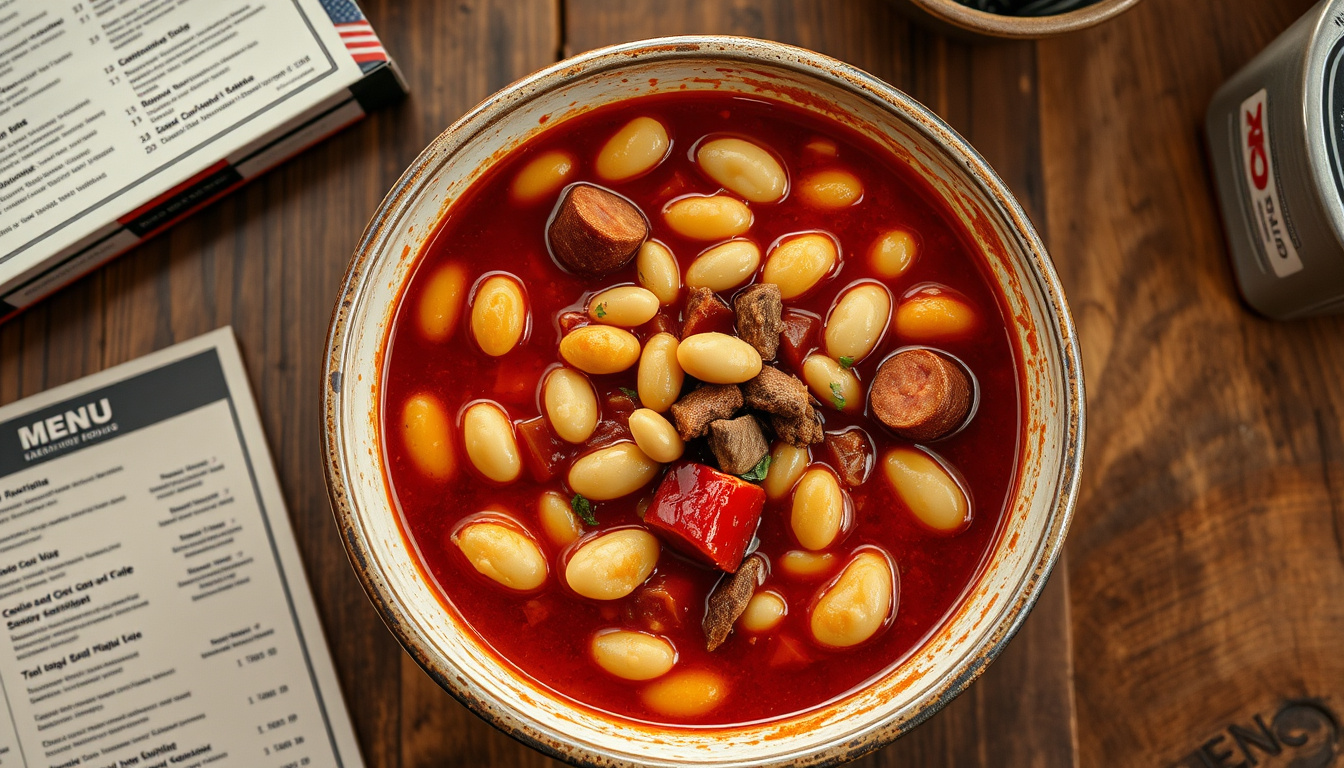
Finding authentic fabada outside Asturias requires knowing where to look. Miami hosts several restaurants importing cured meats directly from Spain, making it the closest thing to northern Spain’s legendary bean stew available in the continental US.
Origin: Asturias, Spain · Key Ingredients: Asturian fava beans, chorizo, morcilla · Health Note: Avoid if G6PD deficient
Quick snapshot
- Core ingredients from multiple sources
- Exact calorie counts without lab data
- Ongoing TasteAtlas rankings track Fabada spots
- Delivery options expanding in Miami market
The key facts table below summarizes the defining characteristics of this Asturian dish.
| Label | Value |
|---|---|
| Dish Type | Bean stew |
| Region | Asturias, Spain |
| Main Beans | Asturian fava (fabas) |
| Meats | Chorizo, morcilla, bacon |
What is fabada espiniana in English?
Fabada espiniana is the English name for Spain’s most famous bean stew, originating from the coastal region of Asturias in the north. It’s a hearty one-pot dish built around large white beans — called fabas —slow-cooked with cured pork products until the broth turns thick and almost creamy.
Key ingredients
The dish hinges on three cured meats: chorizo, morcilla (Spanish black pudding), and typically bacon or shoulder of pork. Each contributes its own kind of fat and smoke to the broth. The beans are the star — they need to be the large, floury Asturian variety to hold their shape while absorbing all that porky richness.
- Chorizo (smoked Spanish sausage)
- Morcilla (blood sausage with rice or onion)
- Shoulder of pork or bacon
- Large white beans (Asturian fabas)
The quality of the cured meats determines whether fabada tastes authentic or like a pale imitation. Restaurants importing directly from Spain have a clear edge — El Rincon Asturiano (a Tripadvisor-ranked Mediterranean/Spanish restaurant) explicitly sources ingredients from Spain.
Traditional preparation
Authentic fabada is never rushed. The beans soak overnight, then simmer low and slow with the meats for several hours. The result should be a thick, almost gravy-like stew where the beans have broken down just enough to thicken the liquid. A crusty slice of bread alongside is not optional — it’s structural.
Is fabada espiniana healthy?
Fabada packs serious protein from both the beans and the cured meats, making it genuinely filling. A single bowl delivers around 20-25 grams of protein depending on portion size. The trade-off is saturated fat from the chorizo and morcilla, so the dish is best enjoyed as an occasional hearty meal rather than a daily staple.
Nutritional benefits
Asturian fava beans are high in fiber, iron, and complex carbohydrates. Combined with the protein from the pork products, fabada provides sustained energy — which is why it was historically eaten by miners and laborers in northern Spain. The cured meats also contribute B vitamins, particularly B12 from the morcilla.
- High protein content from beans and cured meats
- Good source of dietary fiber
- Rich in iron and B vitamins
Potential risks
The dish contains fava beans, which can trigger hemolytic anemia in people with glucose-6-phosphate dehydrogenase (G6PD) deficiency. This genetic condition affects roughly 400 million people worldwide, particularly those of Mediterranean, African, and Asian descent. Anyone with G6PD deficiency should avoid fabada entirely.
G6PD deficiency reactions to fava beans can be severe — symptoms include dark urine, fatigue, and rapid heart rate. If you’ve never been tested and have ancestry from affected regions, consult a doctor before ordering fabada.
How to eat fabada espiniana?
Fabada is always served hot, traditionally in its own cooking vessel — a clay pot called a pot is ideal. The stew goes straight to the table and is portioned out with a wooden spoon. There’s no need for a fork or knife if you’re using bread to soak up the broth.
Serving traditions
The traditional serving style puts the pot in the center of the table so everyone can dig in. The cured meats are often left whole for presentation, then portioned out separately. Asturian cider is the classic accompaniment — poured from height to aerate, it cuts through the richness of the stew.
- Serve hot in a clay pot or heavy-bottomed casserole
- Bring to table whole for family-style dining
- Pair with crusty Spanish bread
- Asturian cider is the traditional drink
Pairing suggestions
Beyond cider, a young Spanish Rioja or a crisp verdejo works well. The wine should have enough acidity to cut through the fat. For those who prefer non-alcoholic options, a simple sparkling water with lemon helps reset the palate between bites of the rich stew.
What is a substitute for fabada beans?
If you can’t find Asturian fava beans, the closest substitutes are standard fava beans from cans or butter beans (large lima beans). Neither will match the floury texture of true fabas, but both hold their shape better than regular navy beans when simmered for hours.
Closest alternatives
- Fava beans (canned or dried) — closest flavor and texture
- Butter beans (lima beans) — better availability in most US stores
- Large white kidney beans — decent stand-in for texture
Availability at stores like Aldi
Major retailers including Aldi occasionally stock fava beans in their world foods section, though availability varies by location. Some locations carry dried fava beans in the international aisle, while others may only have canned versions. Calling ahead saves a wasted trip. For those outside areas with specialty Spanish grocery stores, Uber Eats also lists prepared fabada from specialty grocers like Albo for delivery.
Best fabada espiniana near me?
Finding excellent fabada outside Spain takes looking in the right cities — and Miami has emerged as an unexpected hotspot for authentic Asturian cuisine. Several restaurants there import cured meats and beans directly from Asturias, and at least one is ranked among the top 300 restaurants in a metro area of nearly 4,400 establishments.
Top Miami spots
Miami’s Little Havana neighborhood hosts several dedicated Asturian restaurants. El Rincon Asturiano (225 SW 17th Ave, Miami, FL 33135) holds Tripadvisor’s ranking of 255 out of 4,399 Miami restaurants and explicitly imports food from Spain. Delicias de Espana draws Tripadvisor reviews calling its fabada the best in town. Xixon Spanish Restaurant also features the dish on its menu with explicit delivery options.
The table below compares these Miami restaurants alongside top spots in Asturias for reference.
| Restaurant | Location | Key Feature | Source |
|---|---|---|---|
| El Rincon Asturiano | 225 SW 17th Ave, Miami, FL | Ranked #255 of 4,399 Miami restaurants; ingredients from Spain | Tripadvisor |
| Delicias de Espana | Miami, FL | “Best Fabada in town” per traveler review | Tripadvisor |
| Xixon Spanish Restaurant | Miami, FL | Explicit delivery and pickup | Xixon |
| La Maquina de Lugones | Asturias, Spain | Best Fabada globally per TasteAtlas | TasteAtlas |
| El Llar de Viri | Candamo, Asturias, Spain | Chef-owner Elvira Fernández’s praised recipe | Boqueria |
Miami offers the densest concentration of authentic fabada options outside Spain. For anyone in the continental US, visiting Miami — or ordering delivery from Xixon — represents the most reliable path to tasting the real thing without crossing the Atlantic.
Delivery options
Several Miami restaurants offer delivery directly through their websites or platforms like Uber Eats. Uber Eats lists prepared fabada from Albo, a specialty Spanish grocer, with experienced shopper selection to ensure quality. Xixon provides its own delivery service for Miami-area orders. Delivery outside South Florida remains limited — most authentic options cluster where diaspora communities have sustained demand.
Is fabada espiniana gluten free?
Traditional fabada is naturally gluten-free, assuming all ingredients are free of cross-contamination. The core components — beans, cured meats, and pork shoulder — contain no gluten. However, some chorizo and morcilla products include fillers or binders that introduce gluten. Always verify with the restaurant or check labels when cooking at home.
“This is a little piece of Spain in Miami. Most of the food is fresh and coming from Spain. Excellent Fabada.”
— Tripadvisor reviewer on El Rincon Asturiano
“Best Fabada Asturiana in town!”
— Tripadvisor reviewer on Delicias de Espana
For diners outside cities with established Spanish communities — places like Minneapolis or Saint Paul — specific fabada options remain scarce. Q’bo Latin Food in Minneapolis’s Currie Food Hall does not list fabada on its menu, and broader searches turn up no dedicated Asturian restaurants in the Twin Cities.
Related reading: What’s On in Brisbane Today · Rio de Janeiro Safety and Costs
boqueriarestaurant.com, elrinconasturianomiami.com, tasteatlas.com, youtube.com
While Miami offers prime fabada asturiana venues, the Dutch guide to fabada spotsDutch guide to fabada spots reveals tips for finding and ordering this hearty stew elsewhere.
Frequently asked questions
What are the main ingredients in fabada espiniana?
The dish centers on large white Asturian beans cooked with chorizo, morcilla (Spanish blood sausage), and either bacon or shoulder of pork. These three cured meats provide the smoky, rich base that defines the stew’s flavor.
Is fabada espiniana suitable for vegetarians?
No. Traditional fabada relies on multiple cured pork products for both flavor and texture. A vegetarian version would require significant adaptations that depart from the authentic preparation, substituting plant-based sausages and additional vegetables for the meat component.
How long does fabada espiniana take to cook?
From dried beans, plan for 12+ hours including an overnight soak and 3-4 hours of slow simmering. The beans need time to absorb the broth and break down slightly to thicken the stew. Canned beans reduce active time but still require 1-2 hours of gentle cooking.
What wine pairs with fabada espiniana?
A young Rioja or a crisp verdejo from Rueda works well. The wine needs enough acidity to cut through the richness of the cured meats. Avoid heavily oaked wines, which compete with the stew’s smokiness rather than complementing it.
Can fabada espiniana be frozen?
Yes. The stew freezes well for up to three months. Cool it completely, portion into airtight containers, and thaw overnight in the refrigerator before reheating. The beans may break down further upon reheating, but the flavor actually intensifies.
What is morcilla in fabada espiniana?
Morcilla is Spanish blood sausage, similar to black pudding in other cuisines. It’s made from pork blood, fat, rice or onion, and seasoning. In fabada, it adds depth and helps thicken the broth while contributing a distinctive earthy flavor that distinguishes the dish from simple bean stews.
Is fabada espiniana spicy?
Typically not. The chorizo used in fabada is usually cooked cured Spanish chorizo rather than fresh spicy sausage. While some chorizo varieties have a mild paprika heat, the overall dish is savory and rich rather than spicy. Ask your restaurant if unsure about the specific chorizo they use.

Laura Grant covers business, markets and economic policy for Australia Data.