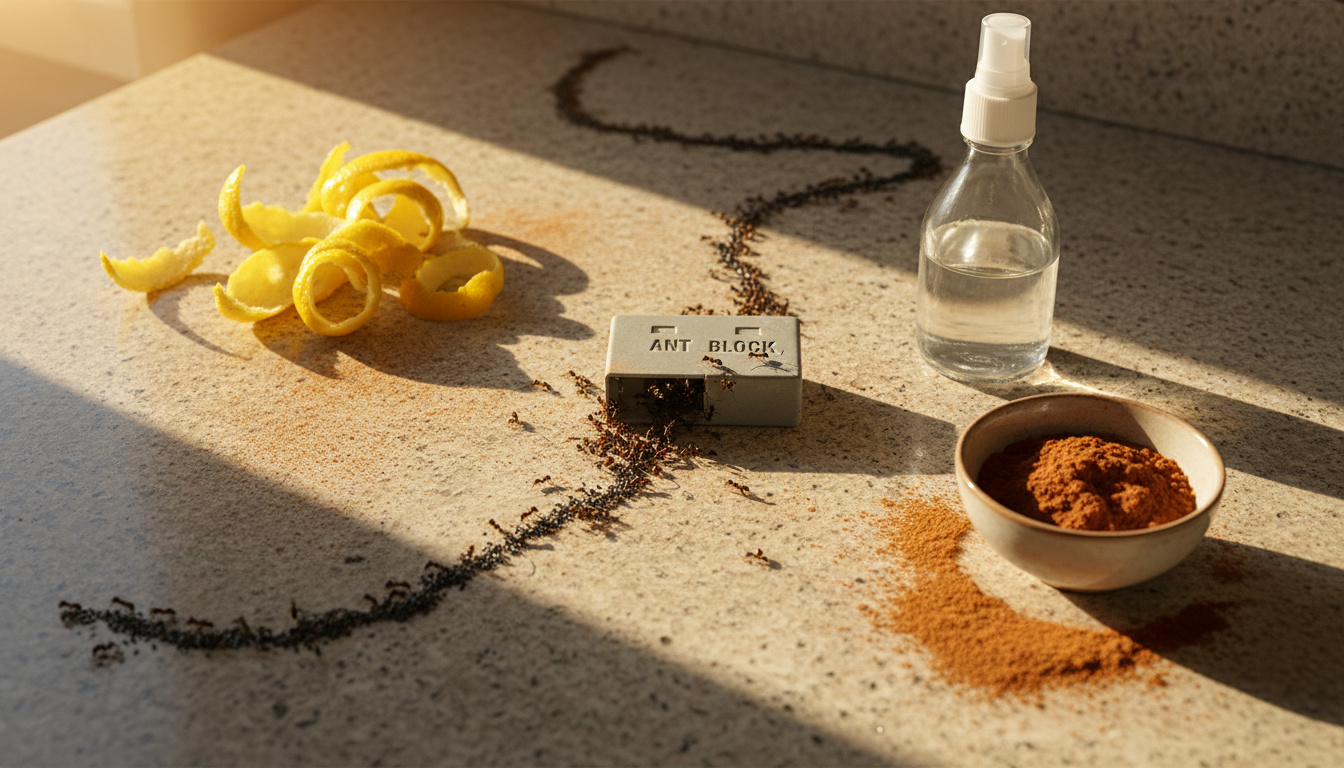
Ant infestations rank among the most common household pest complaints globally, with colonies establishing rapid foraging networks through microscopic entry points. These social insects operate through sophisticated scent trails, allowing scout ants to communicate food source locations to entire colonies within hours. While individual worker ants pose no direct threat to human health, their presence indicates underlying sanitation issues or structural vulnerabilities requiring immediate attention.
Effective elimination requires distinguishing between temporary repellents and colony-elimination strategies. Homeowners face choices ranging from diatomaceous earth and vinegar solutions to commercial boric acid baits and synthetic insecticides. The optimal approach depends heavily on ant species identification, infestation location, and whether the priority is immediate visibility reduction or permanent nest destruction.
This guide examines evidence-based methods for eradication and prevention, drawing on regulatory guidance from Health Canada and pest management research. We address natural remedies, chemical controls, species-specific tactics for carpenter and sugar ants, and realistic timelines for achieving lasting results.
How Do You Get Rid of Ants Naturally?
Natural Repellents
- Vinegar solutions
- Lemon juice
- Essential oils
- Garlic infusions
Baits & Traps
- Boric acid stations
- DIY borax mixtures
- Sugar-based attractants
- Slow-acting toxicants
Sprays & Powders
- Diatomaceous earth
- Contact aerosols
- Granular barriers
- Dust formulations
Prevention Steps
- Crack sealing
- Food storage
- Moisture control
- Barrier maintenance
- Baits eliminate entire colonies by transferring slow-acting toxins to queens, whereas sprays kill only visible workers
- Following foraging trails back to nest entrances increases bait effectiveness significantly
- Eliminating food residues removes the pheromone trails that guide subsequent ant generations
- Carpenter ants require structural wood treatment distinct from sugar ant protocols
- Diatomaceous earth provides non-toxic dehydration but requires dry conditions to function
- Sealing cracks with caulk or petroleum jelly creates permanent barriers against reinfestation
| Characteristic | Detail |
|---|---|
| Common Species | Sugar ants, Carpenter ants, Odorous house ants |
| Colony Structure | Queen, workers, drones; multiple satellite nests possible |
| Worker Lifespan | Approximately 3-6 weeks depending on species |
| Queen Lifespan | Several years, producing thousands of offspring |
| Primary Attractants | Sugary substances, greasy foods, aphid honeydew |
| Entry Methods | Foundation cracks, wall voids, vegetation contact |
| Warning Signs | Visible trails, wood frass, shed wings, nocturnal activity |
| Foraging Range | Up to 100 meters from nest |
What Kills Ants Instantly and Effectively?
Surface sprays, aerosols, and dust formulations containing pyrethroids or similar compounds deliver immediate mortality upon contact. These products, including formulations like Toban and Topscore, disrupt nervous system function within seconds. However, Health Canada guidance emphasizes that such methods rarely achieve permanent control.
Sprays and Dust Applications
Aerosol applications along baseboards, window frames, and door thresholds create chemical barriers that kill crossing workers. Granular formulations target outdoor anthills and perimeter defenses. While effective for immediate visibility improvements, these treatments scatter remaining colony members without addressing reproductive queens hidden in wall voids or underground.
Physical Removal Methods
Vacuuming visible trails removes foragers temporarily but fails to address trail pheromones or nest locations. Boiling water poured directly into accessible outdoor anthills kills surface workers and may penetrate shallow chambers, though deep colonies often survive such treatment.
Contact insecticides eliminate only the ants you see. Colonies respond to worker mortality by producing replacement foragers and potentially budding into multiple satellite nests when disturbed, worsening the infestation over time without professional intervention.
What Is the Best Ant Bait for Lasting Results?
Bait systems represent the gold standard for colony elimination. These formulations combine attractive food bases with slow-acting toxicants like boric acid or hydramethylnon. Foragers consume the bait and regurgitate it for larvae and queen consumption, achieving complete colony mortality within days to weeks. Research published by AARP confirms this trophallaxis behavior makes baits significantly more effective than contact sprays.
Commercial Boric Acid Formulations
Pre-packaged bait stations containing boric acid concentrations between 0.5% and 5% balance palatability with lethality. Place stations along active trails at baseboard edges, cabinet voids, and behind appliances. Health Canada recommends maintaining bait availability for minimum two weeks to ensure complete queen elimination.
DIY Borax Solutions
Homemade mixtures combining borax (sodium borate) with sugar water or peanut butter create cost-effective alternatives. Place small quantities on disposable plates near nest entrances, ensuring accessibility for foragers while keeping stations out of reach of children and pets. Garden pest specialists note that bait boxes at nest entrances improve transfer efficiency.
Position bait stations directly on observed trails rather than randomly throughout the house. Avoid cleaning trails before bait deployment, as ants follow established pheromone paths. Never apply contact sprays near bait stations, as chemical contamination renders food sources unpalatable and interrupts foraging behavior.
How to Get Rid of Ants in the Kitchen?
Kitchen infestations typically involve sugar ants or odorous house ants attracted to food residues, moisture, and accessible entry points. Pest management specialists emphasize sanitation as the primary control mechanism for indoor kitchen areas.
Food Source Elimination
Transfer all dry goods into sealed glass jars or snap-lid plastic containers impervious to ant mandibles. Clean countertops, floors, and pet feeding areas daily using vinegar-water solutions that disrupt scent trails. Rinse food containers before recycling and maintain garbage disposal frequency to eliminate fermentation odors.
Entry Point Management
Seal cracks in foundations, walls, baseboards, and window frames using silicone caulk, petroleum jelly, or duct tape as temporary barriers. Sticky barriers applied to plant stands or table legs prevent climbing access. Environmental Protection Agency resources recommend inspecting pipe penetrations and electrical outlets for hidden access routes.
Place pet food dishes within shallow pans of water to create moats that ants cannot cross. This physical barrier prevents contamination without chemical exposure risks to companion animals.
How Long Does It Take to Get Rid of Ants Permanently?
Complete elimination requires biological patience rather than chemical force. The timeline varies based on colony size, species, and treatment consistency.
- Days 1-2: Identify active trails, eliminate competing food sources, and deploy bait stations along primary foraging routes. Avoid disturbing trails to maintain recruitment.
- Days 3-7: Initial bait consumption increases visible activity temporarily as recruits communicate food source locations. Continue monitoring without cleaning or spraying.
- Weeks 1-2: Colony population begins declining as toxin transfer affects larvae and reproductive individuals. Reapply bait if stations empty.
- Weeks 2-4: Complete colony collapse occurs; remove empty bait stations and seal entry points to prevent new colonization.
- Ongoing: Maintain sanitation protocols and quarterly perimeter inspections to detect new invasions before establishment.
For severe carpenter ant infestations involving structural wood damage, Health Canada recommends professional intervention to locate and treat parent colonies.
What Control Methods Are Proven Versus Speculative?
| Established Effectiveness | Uncertain or Misleading Claims |
|---|---|
| Boric acid baits eliminate entire colonies through trophallaxis | Essential oils kill ants (they only repel temporarily) |
| Diatomaceous earth causes lethal dehydration when kept dry | Cinnamon destroys colonies (acts only as mild repellent) |
| Sealing cracks prevents reinfestation permanently | Vinegar kills ants (disrupts trails but doesn’t kill) |
| Carpenter ants require wood moisture reduction for control | Overnight permanent elimination is possible |
Why Do Ants Invade and When Should You Call Professionals?
Ants enter structures seeking three primary resources: carbohydrate food sources, moisture for colony hydration, and protected nesting sites. Carpenter ants specifically target decaying wood with high moisture content, excavating galleries without consuming the cellulose. Unlike termites, they do not eat wood but cause structural damage through nest construction. For those interested in culinary pursuits, you can learn how to cook polenta at $how to cook polenta.
Professional pest management becomes necessary when colonies establish within wall voids, under foundations, or in inaccessible attic spaces. Licensed applicators possess specialized equipment for treating parent colonies and satellite nests simultaneously. This distinction matters significantly; eliminating visible foragers while missing the parent colony results in recurring infestations within weeks.
Understanding these biological requirements helps homeowners distinguish between nuisance species and destructive carpenters. While consumer products handle most kitchen invasions, structural infestations require expertise analogous to detailed financial analysis—similar to researching ASX:ANZ – Current Price, Dividends and Performance before investment decisions.
Expert Sources and Regulatory Guidance
Ant baits are highly effective because ants share slow-acting poison with the colony, including the queen, eliminating nests over days to weeks.
— Health Canada Pest Control Guidelines
Myth: Killing visible ants alone fails, as colonies produce more workers.
— AARP Home Living Research
Additional guidance from University of Minnesota Extension services supports integrated pest management approaches combining sanitation, exclusion, and targeted baiting rather than broadcast spraying.
Summary of Effective Ant Management
Permanent ant control integrates four core strategies: sanitation to remove attractants, physical sealing of entry vectors, strategic bait deployment for colony elimination, and species-specific interventions for structural pests like carpenter ants. Instant-kill sprays provide temporary aesthetic relief but fail to address reproductive queens. Successful management requires 2-4 weeks of consistent bait application combined with long-term exclusion maintenance. Homeowners seeking reliable products should verify registration status with regulatory bodies, much as consumers consult Is Temu Legit – Safety Guide with BBB and Lawsuit Facts before online transactions.
Frequently Asked Questions
What smell do ants hate the most?
Ants demonstrate strong avoidance behavior toward vinegar, lemon juice, garlic, coffee grounds, and pepper. However, these substances function solely as repellents that disrupt foraging trails rather than killing agents or colony eliminators.
Are ants attracted to vinegar?
Ants avoid vinegar rather than seeking it. The strong odor masks pheromone trails, causing temporary disruption of foraging routes. Vinegar solutions clean surfaces effectively but require reapplication every few days.
How to get rid of ants overnight?
No reliable method eliminates established colonies overnight. Contact sprays kill visible workers instantly but scatter the colony. Baits require 48 hours minimum for initial toxin transfer, with complete elimination taking 1-3 weeks depending on colony size.
How long does it take to get rid of ants completely?
Bait-based elimination requires 2-4 weeks for complete colony collapse. Minor infestations may resolve within 7-10 days, while large multi-queen colonies or carpenter ant nests require professional treatment extending timelines to 6-8 weeks.
Will ants go away on their own?
Ants abandon individual foraging trails when food sources deplete, but established colonies persist indefinitely without intervention. Seasonal activity fluctuations occur, yet populations rebound rapidly when conditions improve unless the queen is eliminated.
How to make ant bait at home?
Mix 1 teaspoon borax with 2 tablespoons sugar dissolved in 1 cup warm water. Saturate cotton balls or place small amounts on jar lids near trails. Replace every 48 hours until activity ceases. Keep inaccessible to pets and children.
Related stories


Jack Hayes is Senior Reporter at Australia Data, covering breaking stories and explainers.